Level 2 Food Safety and Hygiene Course (RSPH-Accredited)
Level 2 in Food Safety and Hygiene
Comprehensive food safety and hygiene training for catering — available as an online self-paced course, live webinar, or on-site at your premises. Covers food safety procedures, hazards, personal hygiene, cleaning, contamination prevention, temperature control, and your legal responsibilities.
Suitable for all food handlers working in restaurants, cafés, hotels, pubs, takeaways, and any food business in the UK.
Last updated:
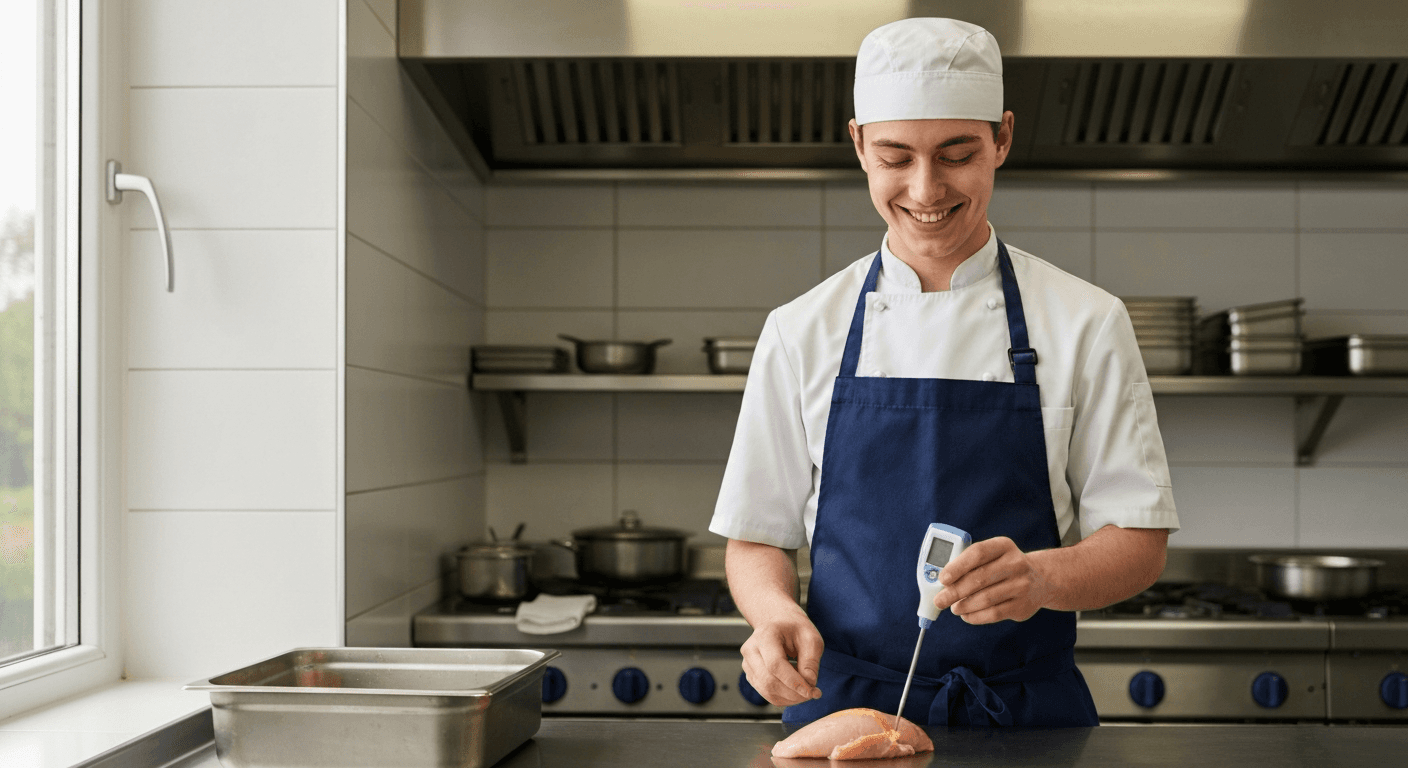
Level 2 Food Safety and Hygiene is the minimum food hygiene training every food handler in the UK is expected to hold. This RSPH-accredited course satisfies the Food Safety Act 1990 and Retained Regulation (EC) No 852/2004, and is mapped directly to what Environmental Health Officers check at inspection. You will cover HACCP principles, allergen management, temperature control, cleaning and personal hygiene — and earn a recognised certificate in 2-3 hours.
Unlimited Fines
for non-compliance under the Food Safety Act 1990
BSc (Hons) Food Scientist
lead trainer & RSPH Centre Manager
Rating of 5
training mapped to EHO inspection criteria
What You Will Learn
- Food safety procedures and safe food handling behaviour
- The 4 types of food safety hazards: physical, chemical, microbial, and allergenic
- Key bacteria including Salmonella, E. coli, Staphylococcus aureus, and Norovirus
- The 14 allergens and why allergen management saves lives
- Your legal responsibilities under the Food Safety Act 1990
- Effective personal hygiene and handwashing techniques
- Cleaning, disinfection, and the 6-step cleaning method
- Pest control measures and how to spot pest activity
- Temperature control: the danger zone, cooking, cooling, reheating, and hot holding
- Stock control, FIFO, and understanding use-by and best-before dates
Who Is This Course For?
This course is designed for anyone who handles food in a catering environment. Whether you are starting your first kitchen job or refreshing your knowledge, this qualification demonstrates your commitment to food safety.
- Chefs, cooks, and kitchen assistants
- Front-of-house staff who serve or handle food
- Café, pub, care and takeaway workers
- Food delivery and catering event staff
- Anyone starting a new food business
Why Choose This Course?
- How to identify and control common food safety hazards
- Roles and responsibilities for food hygiene and safety
- The importance of food safety management systems
- Procedures for maintaining high standards of cleanliness and hygiene
- Legal requirement — UK law requires food handlers to be trained to a level appropriate to their role
- Boost your Food Hygiene Rating — trained staff contribute towards achieving a Food Hygiene Rating of 5
- Protect your customers — learn how to prevent the food safety failures that cause illness and business closures
Course Syllabus & Accreditation
Download PDFRSPH Syllabus — Learning Outcomes
The following learning outcomes are from the official RSPH specification (603/2395/4) and apply to the on-site and webinar delivery of this course.
1. Understand food safety hazards
- 1.1 Contamination and cross-contamination hazards to food safety
- 1.2 How contamination of food can cause illness or injury
- 1.3 The importance of personal hygiene and behaviour to food safety
- 1.4 The legal responsibilities of food handlers and food business operators
2. Understand how to control food safety hazards
- 2.1.1 Preventing or minimising the risk of cross contamination
- 2.1.2 Temperature control
- 2.1.3 Dealing with stock and deliveries to customers
- 2.1.4 Work flow, work surfaces and equipment
- 2.1.5 Keeping the work area and equipment clean and tidy
- 2.1.6 Dealing with hazards and potential hazards
- 2.1.7 Food spoilage and waste
- 2.1.8 Pest prevention
Course Module Breakdown
Food Safety Procedures
2 lessons · 15 min
Food Safety Hazards
6 lessons · 30 min
Legal Responsibilities
3 lessons · 15 min
The Importance of Personal Hygiene
1 lesson · 10 min
Effective Personal Hygiene
4 lessons · 25 min
Keeping Work Areas and Equipment Clean
4 lessons · 20 min
Pest Control
2 lessons · 10 min
Food Contamination and Spoilage
3 lessons · 15 min
Safe Food Handling and Temperature Control
5 lessons · 25 min
Stock Control Procedures
2 lessons · 10 min
Essential Food Safety Knowledge
The legal minimum every food handler in the UK must know.
Under the Food Safety Act 1990, every person who handles food must be trained to a level appropriate to their role. This Level 2 course covers the core knowledge that Environmental Health Officers expect every food handler to demonstrate.
Temperature Control Mastery
The danger zone (5°C–63°C) is where bacteria multiply rapidly. This course teaches you the critical temperatures for cooking (75°C for 30 seconds), hot holding (63°C minimum), chilled storage (8°C or below), and frozen storage (−18°C or colder) — plus the 4-hour and 2-hour display rules.
Cleaning and Disinfection
A visually clean surface can still harbour thousands of bacteria. Learn the 6-step cleaning and disinfection method, the difference between detergents, disinfectants, and sanitisers, and why contact time is critical. Includes FSA video demonstrations.
Allergen Management
Allergen failures have caused deaths in the UK. This course covers all 14 legally declared allergens, Natasha's Law requirements, cross-contact prevention, and your duty to communicate allergen information accurately to every customer.
What You Will Learn
Complete Level 2 food safety checklist
This course covers every topic in the Level 2 Award in Food Safety and Hygiene syllabus. Each module includes FSA video content to bring the theory to life with real-world examples.
Designed by a BSc (Hons) Food Scientist Who Has Trained EHOs
This course was developed by a degree-qualified Food Scientist and RSPH Centre Manager with over 15 years of experience in the food industry. The content is mapped directly to what Environmental Health Officers check during inspections — so you learn exactly what matters.
Trusted by Hundreds of UK Food Businesses
Kitchen Tonic has helped restaurants, cafés, pubs, and takeaways across the UK achieve and maintain 5-star Food Hygiene Ratings. Our training is practical, engaging, and built around real EHO inspection criteria — not textbook theory.
Untrained staff are the number one reason businesses lose marks at inspection. This course gives your team the knowledge they need.
Protect Your Business. Train Your Team Today.
Level 2 food safety training is a legal requirement for food handlers. Train online in 2–3 hours, book a live webinar, or request on-site training at your premises.
View Training Options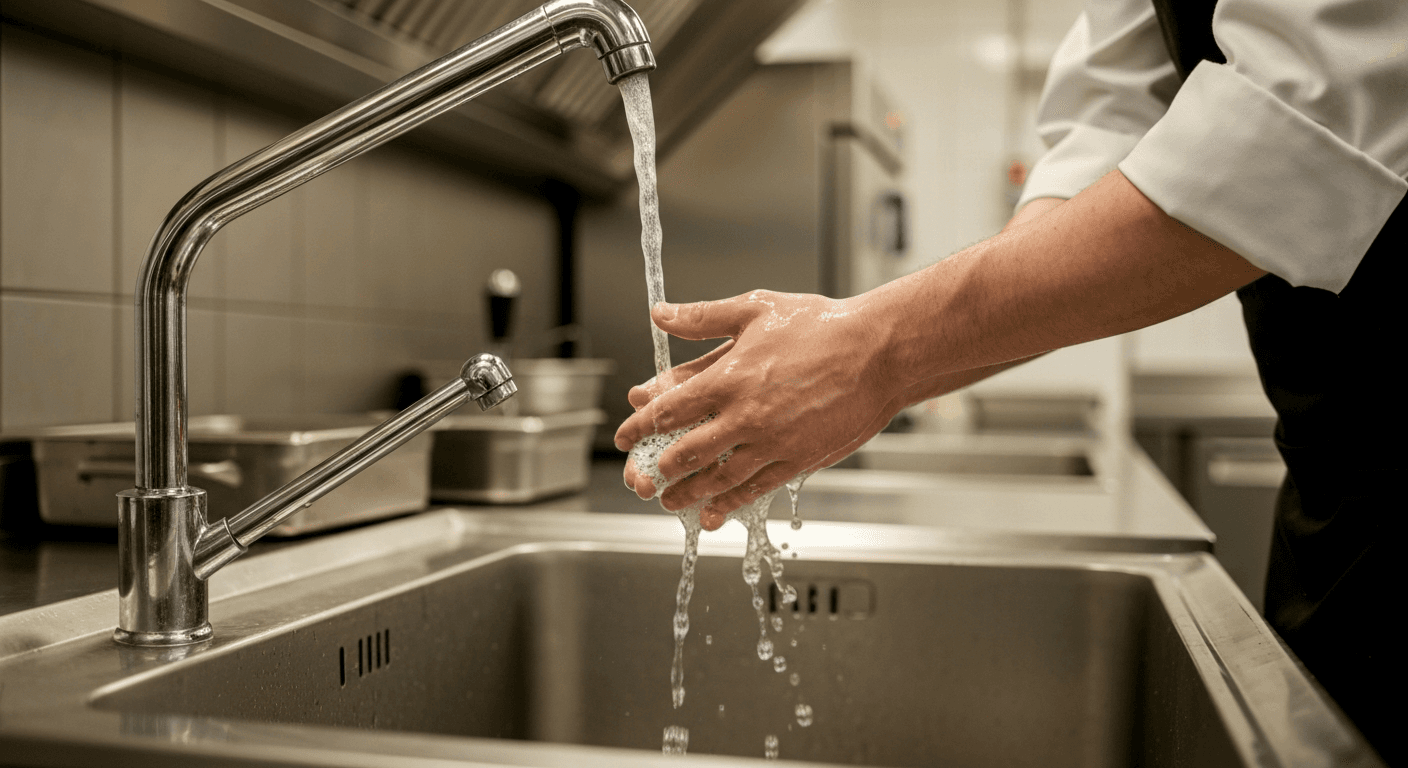
Frequently Asked Questions
Level 2 Food Safety and Hygiene: Common Questions
What is Level 2 Food Safety and Hygiene?
Level 2 Food Safety and Hygiene is the entry-level food hygiene qualification for anyone who handles, prepares or serves food in a UK business. It covers the legal duties under the Food Safety Act 1990, the four hazard types, allergens, temperature control, cleaning, pest control and personal hygiene.
Is Level 2 food hygiene a legal requirement in the UK?
UK food safety law does not name a specific qualification, but Retained Regulation (EC) No 852/2004 requires every food handler to be trained, instructed or supervised to a level appropriate to their role. Level 2 is the standard Environmental Health Officers expect for staff who prepare or serve food, and is the most widely accepted training to demonstrate compliance.
How long does the Level 2 Food Safety and Hygiene course take?
The online self-paced course takes 2-3 hours including the assessment. The RSPH-accredited classroom and webinar version is delivered in a single day (around 6 guided learning hours) and finishes with a 30-question multiple-choice exam.
What does the Level 2 Food Safety and Hygiene course cover?
The syllabus covers food safety law and your legal responsibilities, the 4 hazard types (microbial, chemical, physical, allergenic), the 14 declarable allergens and Natashas Law, the temperature danger zone, cooking and chilling, the 6-step cleaning method, pest control, illness reporting and personal hygiene.
Is the Level 2 Food Safety and Hygiene certificate recognised by EHOs?
Yes. The RSPH-accredited route awards an Ofqual-regulated Level 2 certificate issued by the Royal Society for Public Health and is recognised by Environmental Health Officers nationwide. The KitchenTonic online certificate evidences that staff have been trained in food hygiene to the level expected under Retained Regulation (EC) No 852/2004.
How long is a Level 2 food hygiene certificate valid for?
There is no statutory expiry date for food hygiene training in the UK, but the Food Standards Agency and most EHOs recommend refresher training every 3 years. KitchenTonic certificates are issued with a 36-month validity for that reason.
Whats the difference between Level 2 and Level 3 Food Safety?
Level 2 is for food handlers and covers the day-to-day knowledge needed to work safely with food. Level 3 (Supervising Food Safety) is aimed at supervisors, managers and head chefs and goes further into HACCP design, risk assessment, training others and managing food safety culture.